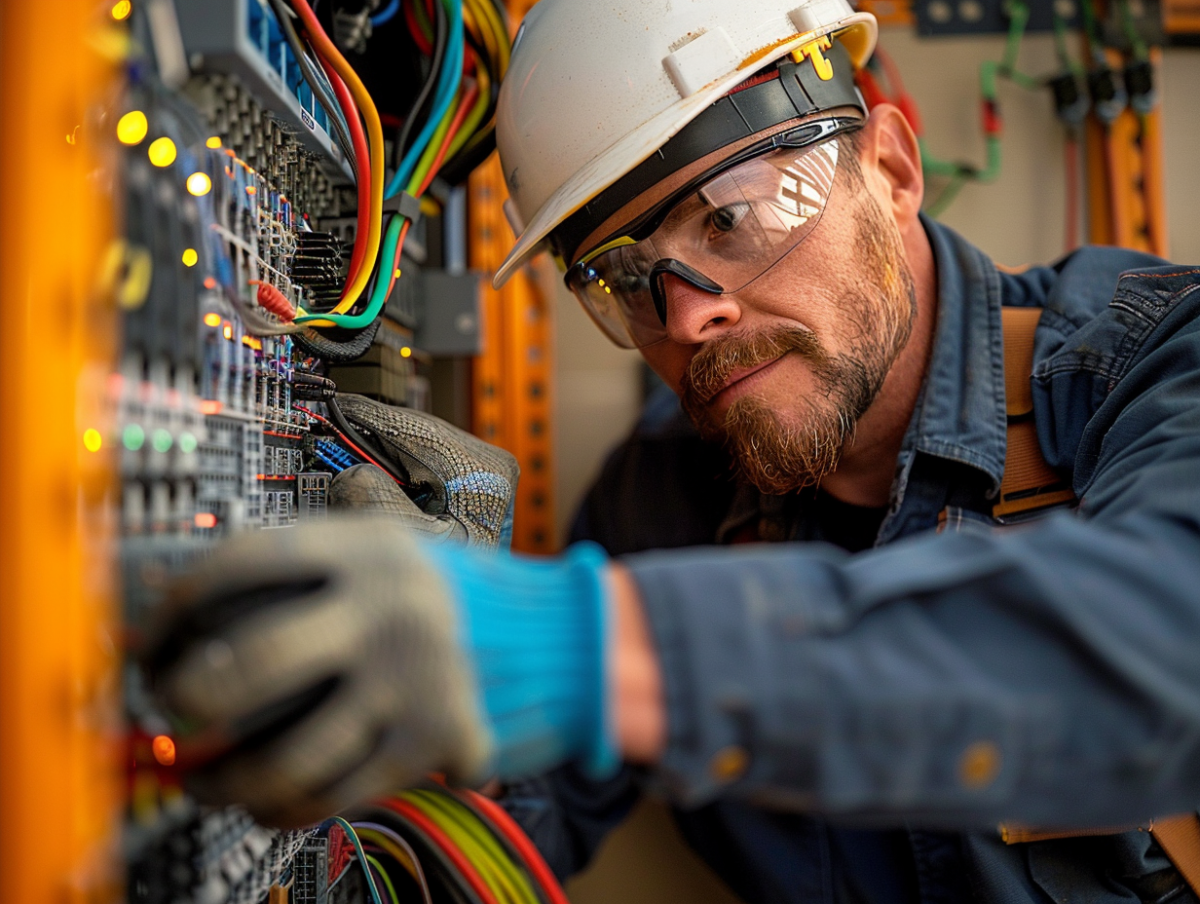
The electrical installation of a house is the backbone of its comfort and functionality, but it can also be a source of danger if not done correctly. To ensure the safety of residents, certain key steps must be meticulously followed, from circuit design to maintenance. This involves careful planning, the selection of quality components, compliance with current standards, and the intervention of qualified professionals. A secure electrical installation not only helps prevent the risks of accidents, such as short circuits or fires, but also ensures optimized energy consumption.
Preparation and Planning: The Foundations of a Secure Electrical Installation
The realization of a domestic electrical installation begins with a fundamental step: preparation and planning. This initial phase relies on a thorough understanding of the current electrical standards, particularly the NF C 15-100 standard. This standard, crucial for electrical safety, governs the electrical installation of buildings in France to ensure the safety of people and property. Compliance with the electrical installation is therefore non-negotiable; both professionals and individuals must adhere to it scrupulously.
Designing a precise diagram of the electrical circuit is the first milestone in this preparation. Each element, from the simple switch to the connection of a three-phase differential circuit breaker, must be planned according to the use of living spaces and the intended electrical appliances. This is essential for the installation’s ability to meet daily needs while preventing any risk of accidents.
In compliance with this standard, each component selected for the installation must meet the highest standards of quality and durability. The use of certified materials, suitable for the type of housing and its specifics, is essential. Electrical safety allows for no approximations; every detail matters to avoid overloads and inconveniences that could compromise the safety of residents.
The planning must also take into account future developments of the installation. Anticipating additional circuits or spaces for equipment that may be added later is a wise approach. Similarly, the implementation must anticipate the checks and maintenance that will be necessary. Indeed, an electrical installation is not a fixed structure but a living system that evolves over time and with technological innovations. Take these precautions and you will establish a solid foundation for an electrical installation that withstands the test of time and unforeseen events.

Installation and Verification: Key Steps for Optimal Electrical Safety
When it comes time for installation, hiring a qualified electrician becomes a necessity. This professional ensures compliance with regulations and the required technical specifications. Their intervention guarantees not only adherence to standards but also optimization of energy consumption, a crucial element for responsible and economical management of the home. Consider the electrician’s expertise as an investment in the longevity and reliability of your electrical installation.
The verification phase is inseparable from the installation. Once the work is completed, a series of tests must be conducted to ensure the electrical safety of the entire system. This meticulous check allows for the detection of any defects or non-compliance that could affect the efficiency and safety of the installation. The practical guide recommends this step as fundamental, and the professional electrician has the appropriate tools to carry it out effectively. These checks cover both performance and protection against surges, short circuits, and other potential anomalies.
The electrical installation does not stop on the day it is commissioned. Regular maintenance is advised to prevent any malfunction. This proactive approach, recommended by the practical guide, involves calling on a professional electrician for periodic inspections. This not only helps keep the installation in optimal condition but also allows for prompt responses to any changes in the NF C 15-100 standard or the emergence of new electrical devices that may impact energy consumption. A secure electrical installation is therefore an ongoing project that requires attention and expertise to effectively protect the inhabitants and their home.