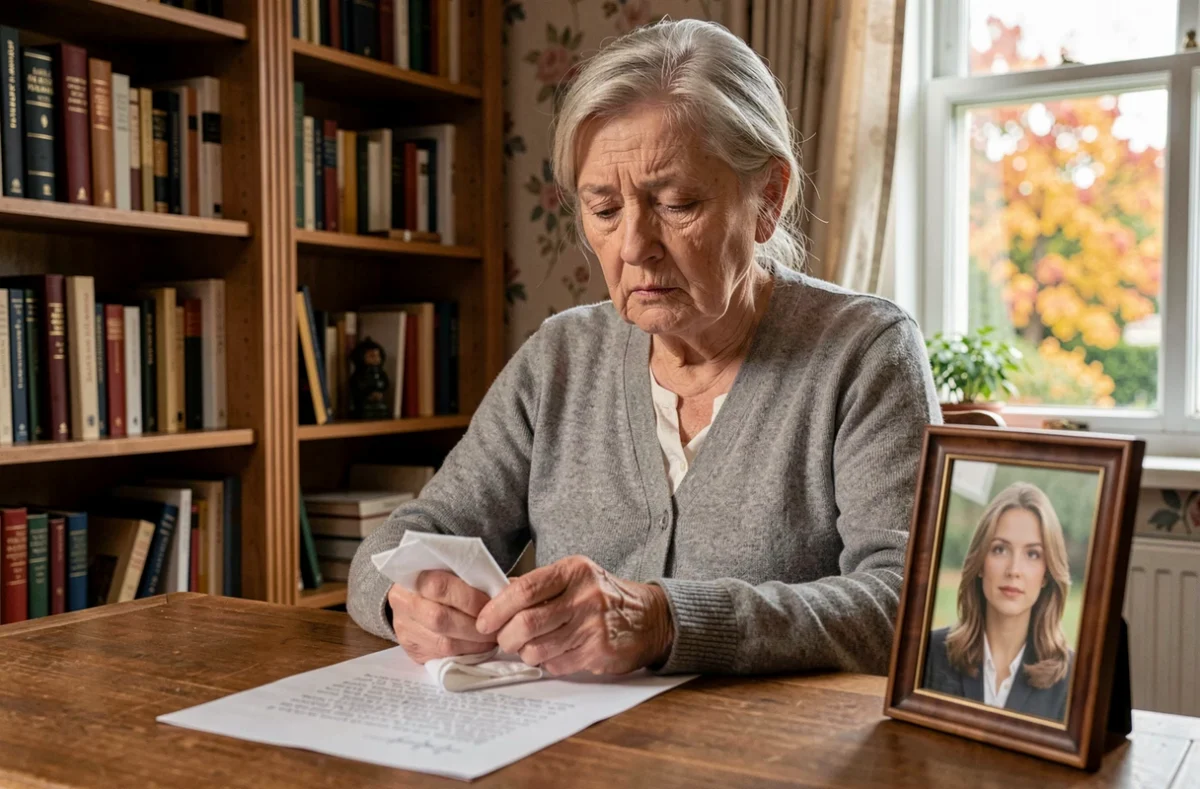
Writing a farewell text for your daughter requires a unique writing style. The parent-child relationship carries an emotional weight that makes every word heavier, every silence denser. The task is less about seeking eloquence than about crafting sentences that can stand firm against the collective emotion of a ceremony.
Civil or Religious Ceremony: The Setting Determines the Tone of the Text
The choice of ceremony type alters the writing flexibility. French law recognizes the right to choose the civil or religious nature of the funeral. A civil ceremony offers total freedom regarding vocabulary and music, with no predefined formulas or liturgical constraints.
In a religious context, secular songs are generally not included in the Eucharistic liturgy, although they may be accepted at peripheral moments. A personal text read during the service must respect the tone of the setting, which guides the choice of words toward a more restrained register.
The civil ceremony allows for the inclusion of literary readings, songs chosen by the family, and visual projections. We recommend clarifying this point with the officiant during the preparation phase, as it influences the length, tone, and structure of the tribute text. In wanting to find the words for a farewell, it is better to know the exact context in which these words will be spoken.
Writing a Eulogy for Your Daughter: Structuring the Memory
A farewell text is not a speech. We observe that the most poignant tributes are organized around two or three concrete memories rather than a chronological narration of the deceased’s life.
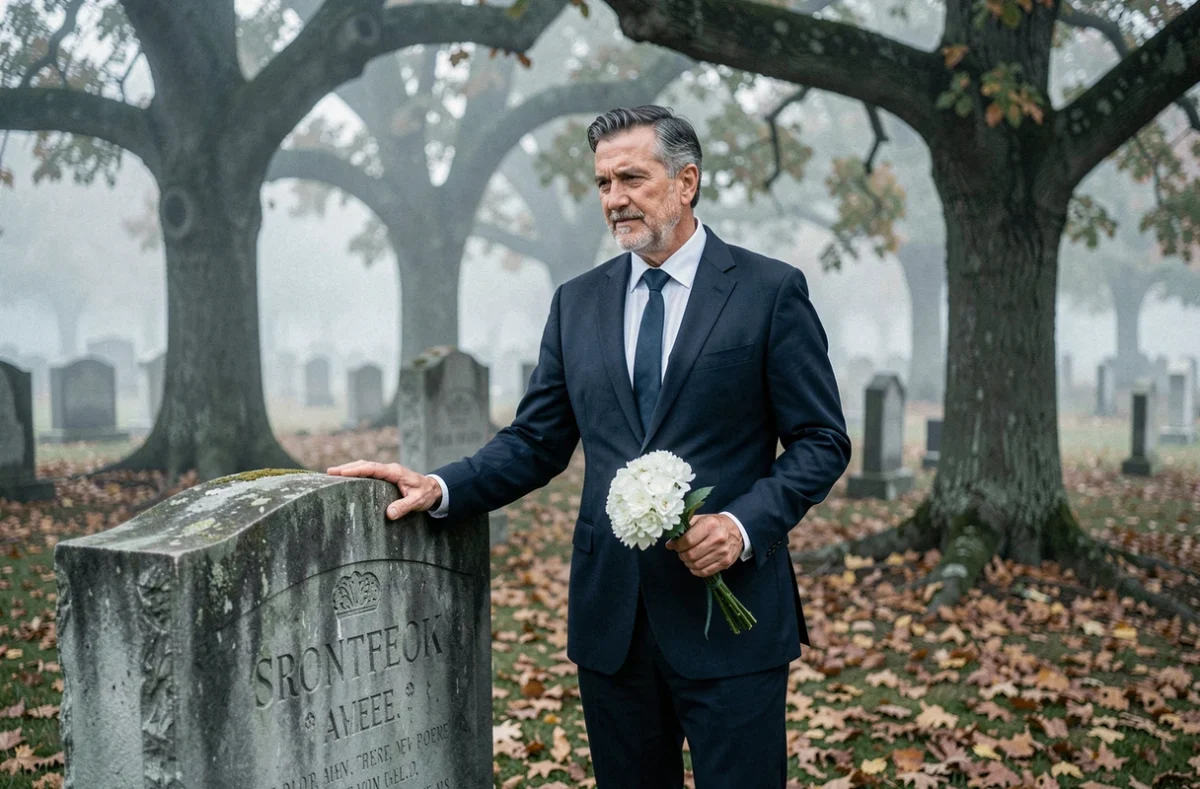
The Memory as Emotional Anchor
A specific memory resonates more than an abstract quality. Saying she had a particular laugh in a certain context, that she always asked the same question before leaving, that she organized her books in a certain way: these unique details make the text irreplaceable. No one else could have written these lines.
Feedback collected by Modern Loss confirms that grieving parents find comfort when those around them mention the child’s name and share specific memories, rather than avoiding any mention.
The Structure of the Eulogy
We recommend a simple structure consisting of three blocks:
- An opening that names the deceased and establishes the relationship (daughter, name, what she represented in daily life) in two or three direct sentences
- A body composed of two to three anecdotes chosen for their evocative power, each linked to a character trait or value that the family will recognize
- A sober closing, a personal farewell word, or a quote that resonates with the personality of the deceased, without seeking a universal formula
The reading time should not exceed four to five minutes. Beyond that, the emotion overwhelms the speech, and the text loses its function as collective support.
Words to Avoid in a Grief Message for a Child
The grief of a child does not allow for any minimizing phrases. Sentences like “she left too soon” or “time heals all” have the opposite effect of what is intended. They give the grieving parent the feeling that their pain is being downplayed.
Certain clumsinesses frequently appear in condolence messages addressed to parents:
- Comparisons with other losses or family situations, which implicitly rank suffering
- Disguised injunctions posing as comfort (“be strong,” “she wouldn’t want to see you like this”) that impose behavior on the grieving parent
- Impersonal phrases copied from online templates, immediately recognizable and perceived as a lack of personal investment
- Avoiding the deceased’s name, often motivated by the fear of reopening wounds, but which has the opposite effect according to testimonies from grieving families
Speaking the child’s name is an act of recognition, not a blunder. Continuing to remember important dates, to evoke shared moments in the months that follow, extends support well beyond the ceremony.

Personalizing the Tribute Beyond the Text Read at the Ceremony
Funeral ceremonies have been increasingly personalized in recent years. Families are giving more importance to chosen music, readings, and symbolic objects placed near the coffin or urn.
For a final farewell to your daughter, this personalization can take very concrete forms. A handwritten letter slipped into the coffin complements the public text with strictly private words. Some families choose to read an excerpt from a book they shared, to play a song associated with a specific memory, or to project a few photographs without commentary.
The wishes of the deceased, if expressed, guide these choices. In case of family disagreement, a written declaration made during the person’s lifetime can have legal weight and serve as a reference for arbitrating decisions related to the ceremony.
A tribute text should not be written the day before. We recommend starting by jotting down fragments, images, phrases heard, and then organizing them a few days later. Reading aloud, first alone and then in front of a loved one, allows for adjusting the rhythm and spotting passages where emotion might interrupt speech.
The farewell to your daughter is not limited to the text spoken on the day of the ceremony. The grief message, the gravestone, the words exchanged in the following weeks form a whole. Each medium carries a part of the memory, and it is the sincerity of the expressed bond that gives the text its accuracy, not the perfection of the wording.