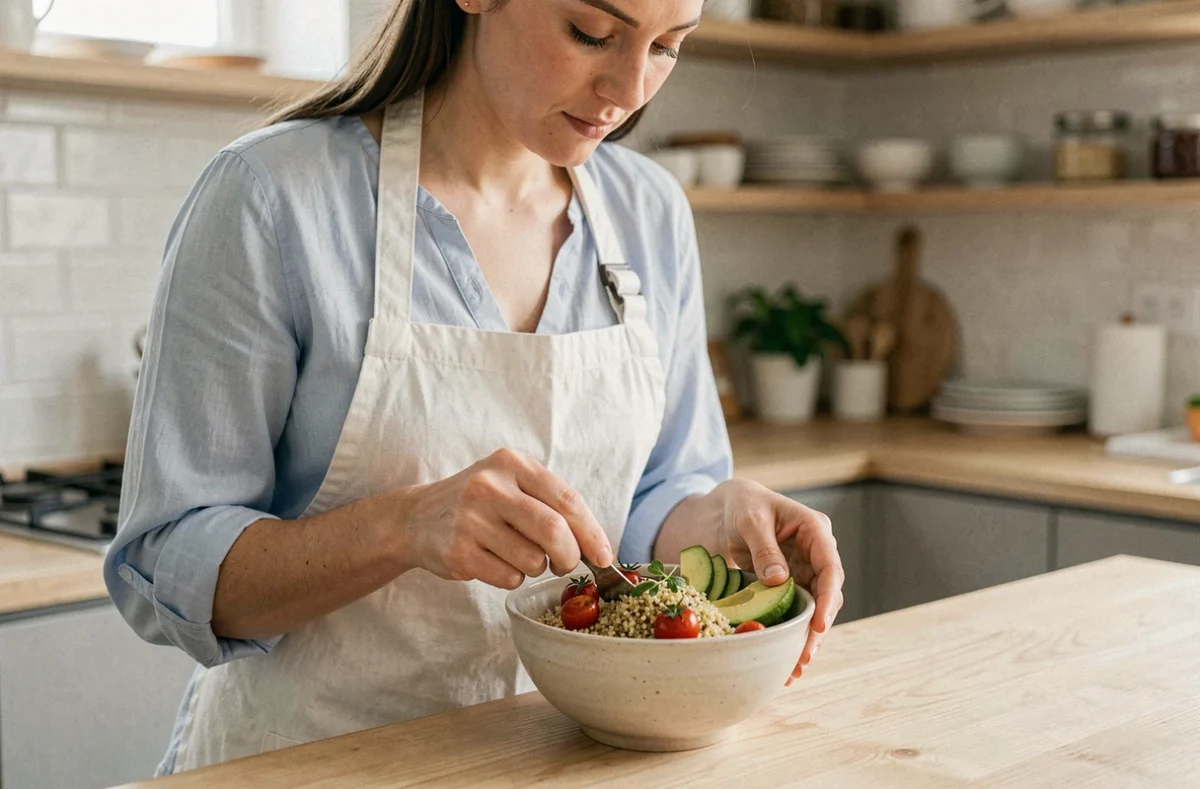
The nutritional density of a light meal plate does not depend on raw caloric restriction. It relies on the ratio between fiber volume, protein content, and the glycemic load of the meal. We observe that a well-constructed light diet retains all food groups, including carbohydrates, by adjusting proportions and cooking methods rather than eliminating entire categories.
Glycemic load and satiety: the lever that light recipes neglect
Most light recipe compilations focus on calorie counting. We recommend reasoning first in glycemic load per serving. Chilled then reheated whole basmati rice sees its resistant starch content increase, which reduces the insulin response compared to the same rice served hot.
This mechanism also applies to potatoes and whole pasta. Preparing these starches the day before, storing them in the refrigerator, and incorporating them cold into a salad or briefly reheating them allows you to retain carbohydrates in a light meal without excessive glycemic spikes.
The Anses places the reference share of carbohydrates between 40 and 55% of total energy intake for healthy adults. Therefore, eliminating bread, rice, or legumes from a light diet has no particular nutritional justification.
The High Authority of Health favors a moderate and personalized energy reduction rather than the elimination of a food group. Guides that offer light recipes on La Cuisine de Watoote incorporate this logic by keeping starches on their plates.
Lean proteins and vegetables: building a satisfying light meal
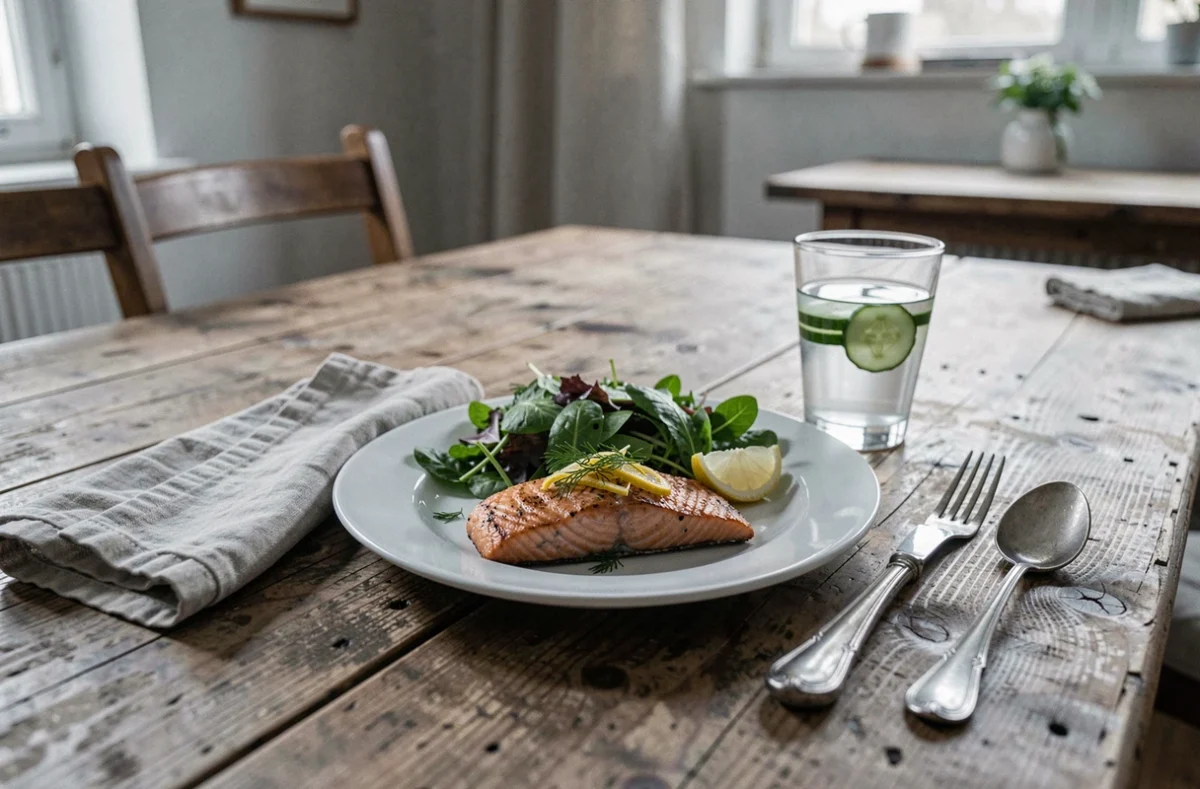
A light meal that does not satisfy leads to evening snacking. Lean protein is the foundation of satiety, not just an addition. Skinless poultry, white fish, eggs, firm tofu, or legumes: each plate should start with this choice.
We structure the plate into three visual zones:
- Half occupied by cooked or raw vegetables, seasoned with a quality fat (olive oil, rapeseed oil) in measured amounts
- A quarter reserved for the protein source, prepared in a pouch, steamed, or in a non-stick pan with minimal fat
- A quarter dedicated to a whole grain or legumes, with the portion remaining moderate without being eliminated
This distribution works well for both dinner and a lunch box. It avoids the trap of a green salad accompanied by industrial dressing, which, at equal volume, can contain more fat than a spoonful of hand-measured oil.
Cooking and seasoning: where invisible calories hide
Cooking in a pouch concentrates flavors without adding fat. A fillet of white fish with zucchini, lemon, and fresh herbs cooked in a pouch delivers a tasty dish in less than twenty minutes. Steaming works on the same principle for broccoli, cauliflower, or green beans.
Seasoning makes the difference between a bland light meal and a light meal that one wants to recreate. White miso diluted in a splash of hot water, low-sodium soy sauce, green curry paste used sparingly: these enhancers bring umami or spiciness without weighing down the caloric balance. Salt remains a point of caution, as excess promotes water retention and skews weight perception on the scale.
Everyday light recipes: three preparations to master
Rather than listing dozens of recipes, we detail three that cover different situations and can be easily adapted.
Green vegetable soup enriched with plant proteins
Zucchini, broccoli, fresh spinach, and an onion sautéed in a teaspoon of olive oil. Cover with water, cook for about fifteen minutes, blend. Add a handful of pre-cooked red lentils off the heat. Red lentils provide protein and fiber without altering the velvety texture. Season with cumin and a hint of Espelette pepper.
Quinoa and raw vegetable salad
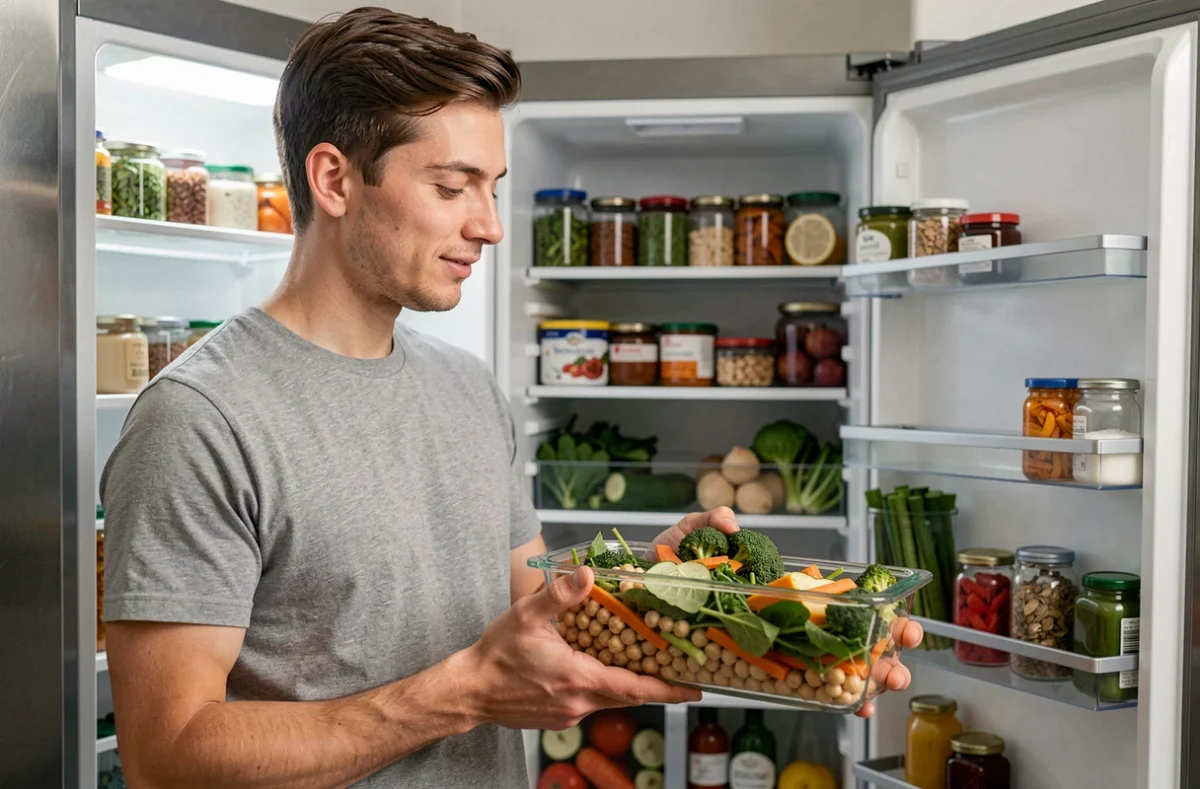
Chilled cooked quinoa, halved cherry tomatoes, diced cucumber, a few arugula leaves, and a lime vinaigrette. Add a soft-boiled egg or diced grilled chicken for protein. This salad can be prepared in large quantities on Sunday evening and keeps for three days in the refrigerator, eliminating the excuse of lack of time.
White fish pouch with seasonal vegetables
Cod or hake placed on a bed of sliced leeks and mushrooms, drizzled with a splash of lemon juice and sprinkled with dill. Seal the pouch tightly. Bake for about twenty minutes. The fish remains tender, and the vegetables stay crunchy. No added fat is necessary thanks to the steam circulating in the pouch.
Nutri-Score and homemade dishes: a benchmark to put into perspective
The Nutri-Score, in its revised version, penalizes sugar and salt more, better distinguishes whole grain products from refined products, and includes some sweetened beverages. Its usefulness remains real for comparing two packaged products from the same aisle.
However, the Nutri-Score does not apply to homemade preparations. A light recipe cooked at home thus escapes this rating system. We recommend setting a simple internal criterion: does each dish contain at least two servings of vegetables, an identifiable protein source, and a whole grain or legume? If the answer is yes, the meal is structurally balanced, regardless of the score it would receive on a label.
Building light meals daily relies on preparation reflexes (batch cooking, steaming or pouch cooking, concentrated seasonings) rather than on interchangeable recipe lists. The consistency of these habits matters more than the perfection of an isolated dish.