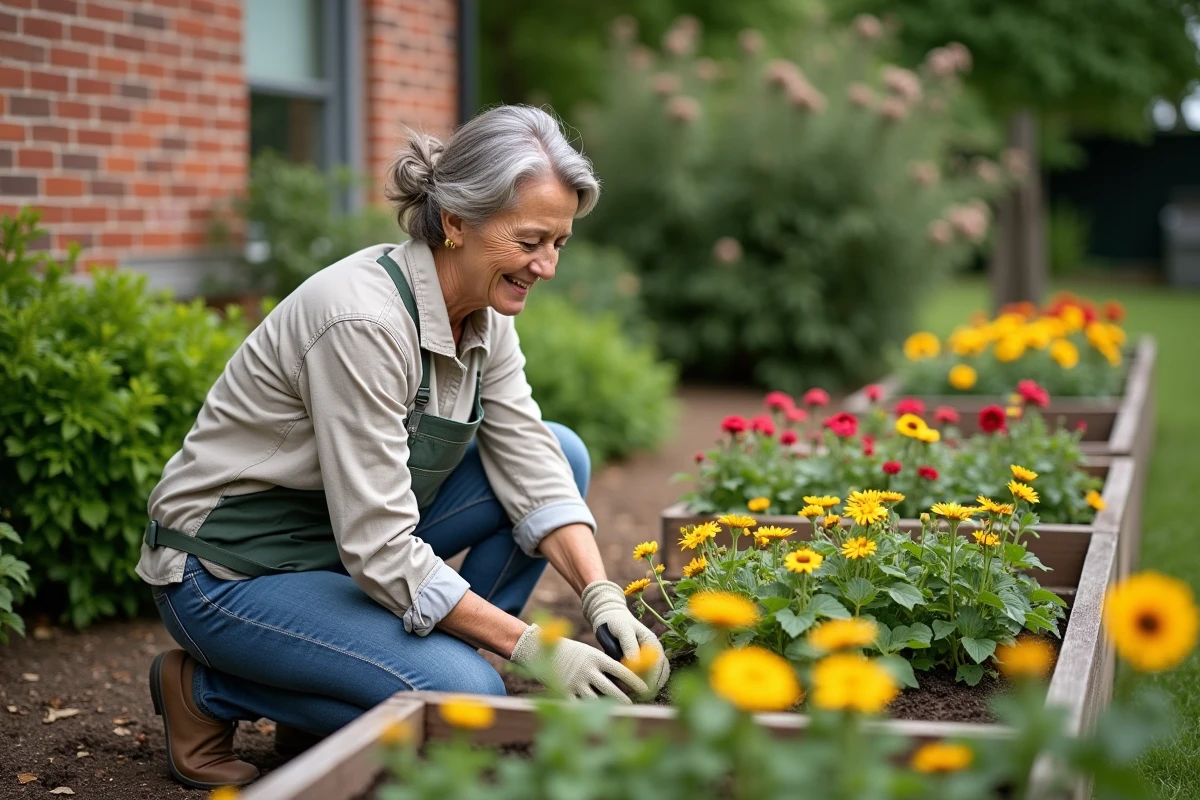
Plant associations in the same bed are a bit like a successful dinner: some stimulate each other, while others wear themselves out competing for the same plate. It’s heard everywhere, but the reality is more nuanced: it’s not enough to align colors to create a lasting flowering garden. The arrangement and precise choice of species are what make the difference for soil vitality and land generosity. Mastering watering, observing light throughout the day, organizing crop rotation: these often neglected habits can truly transform a simple patch of earth into a generous and lush corner. Even with a limited area, these actions make all the difference: vibrant flowers, thriving fruits and vegetables, all without exhausting oneself in the task.
Why creating a flowering garden changes lives
Creating a flowering garden is not just about beautifying an exterior. It’s about shaping a place that evolves, surprises, and becomes familiar season after season. A well-thought-out bed, a few evergreen borders: all these details ultimately transform every nook into a living space. Those who choose rolled turf discover instant greenery, recommended by many garden experts. By adding already flowering plants, the magic happens from the very first days.
Plant diversity gives relief to the terrain, attracts small wildlife, and enriches biodiversity. Recommendations from a landscaper or dedicated sites encourage the integration of some evergreens to maintain volume, even in the heart of winter. Betting on plants suited to the local climate, varying heights, designing paths, and creating open areas: all these strategies multiply the comings and goings, invite discovery, energize the paths, in short, they give rhythm to the garden.
Everyone seeks a balance between beauty, harvest, and ease of maintenance. For this, a useful reference point: concrete ideas gathered on the site planetegarden.fr can help design a harmonious, modular, and viable space in the long term.
To design a layout that meets these expectations, one can rely on a few fundamentals:
- A well-prepared garden plan simplifies maintenance and structures the whole
- The integration of evergreen plantings preserves the living aspect of the decor throughout the year
- Even forgotten corners can become spots of curiosity and surprises
The flowering garden is therefore never static: it evolves with the seasons, desires, and enriches with each new piece of advice gathered or experience attempted.
How to choose the best plants for a flowering bed that is easy to maintain?
A balanced bed requires judiciously combining perennials and seasonal species. Perennials like escallonia, abelia, and eleagnus remain green, shaping volumes even in winter. Deciduous species contribute to seasonal renewal, while some shrubs like elderberry or privet quickly provide volume, as long as they are pruned minimally each year.
Annuals and biennials are queens for energizing the color palette, effortlessly. For example, one can choose flowering plants for an immediate effect. On the flower side, focus on dahlias, acidanthera, gladioli, and begonias: these varieties ensure long-lasting blooms until the end of summer. Adding a few well-placed grasses brings movement, grace, and lightens the whole. To sow a flowering meadow, all it takes is a prepared plot: the profusion of flowers is breathtaking, even if the return the following year remains uncertain.
To delineate boundaries or create a privacy screen, the Leyland cypress serves as an effective green wall. Climbing plants, such as clematis armandii, montana, Turkestan knotweed, and akebia, invest arches and supports, bringing welcome verticality. Harmonizing foliage, daring contrasts, adapting choices to the climate and soil nature: these are the true keys to a constant bloom, while keeping maintenance reasonable.
Practical ideas for a generous garden, year after year
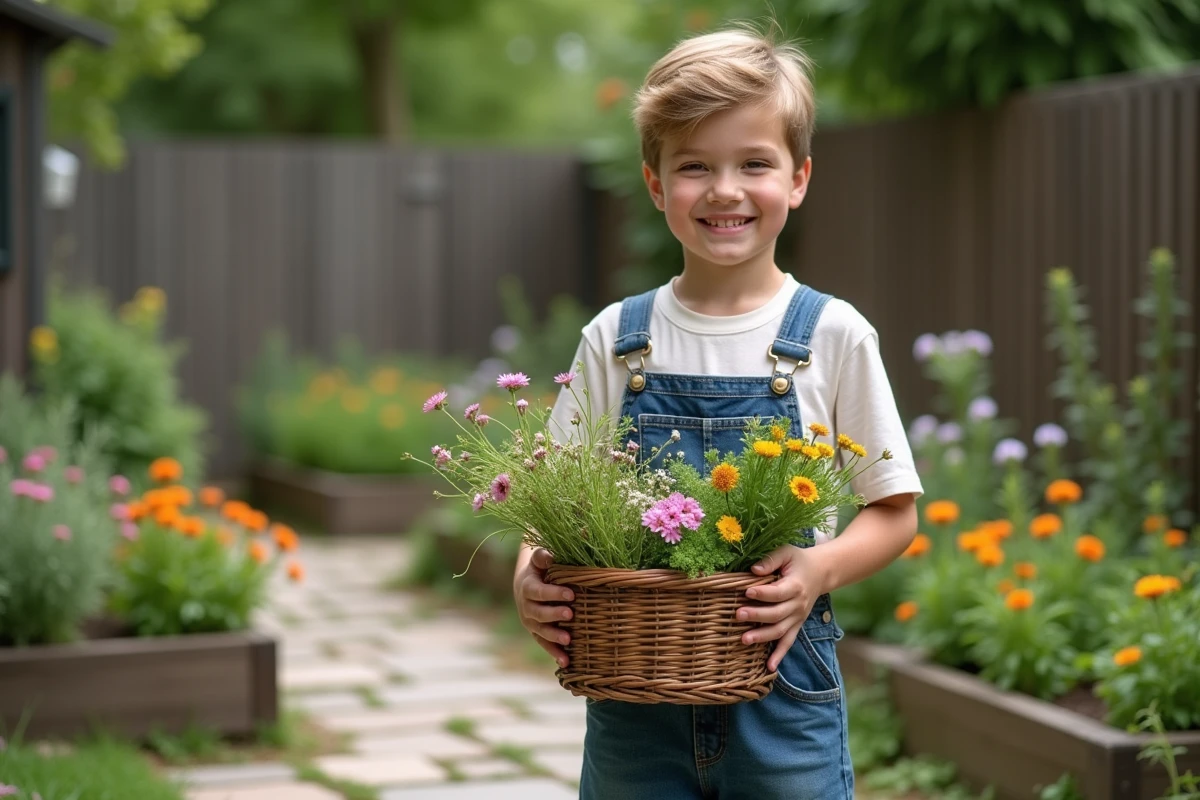
A flowering and productive garden relies on a few habits: well-organizing space, intelligently managing light and water, considering crop rotation from the design of the garden plan. Well-arranged beds, alternating crops, and a thoughtful selection of varieties allow for an extended blooming period and increased harvests.
When it comes to orchestrating the garden, several elements can serve as reference points:
- Install garden structures (arches, pergolas, kiosks, screens) to vary perspectives and create circulation spaces
- Provide suitable supports, such as the Birdy Obelisk or the Royal Trellis, to encourage climbing plants to gain height
Collecting seeds or pits from the fruits consumed daily, sowing them, or practicing cuttings easily enriches the garden and brings the satisfaction of seeing plants grow from one’s own kitchen. Seed libraries in media libraries or libraries encourage exchanging seeds among local gardeners: these local initiatives strengthen diversity and offer opportunities to adapt to the terroir.
To nourish the soil and limit the need for intensive irrigation, adopting a few pragmatic gestures: feeding the soil with one’s own compost, adding organic fertilizer, installing a rainwater collector for smart watering. Prioritizing watering at the base, early in the morning, strengthens the natural resistance of plants. Associating vegetables and flowers, by focusing on companion plants, protects against pests, attracts pollinators, and ensures robust and continuous blooms and harvests.
Opening the door to one’s garden means accepting to be surprised, learning through the seasons, constantly adjusting one’s actions and choices. And sometimes, all it takes is a bed covered with bright flowers or a few pollinating insects to feel, for a moment, the full reward of a living space that has found its rhythm.