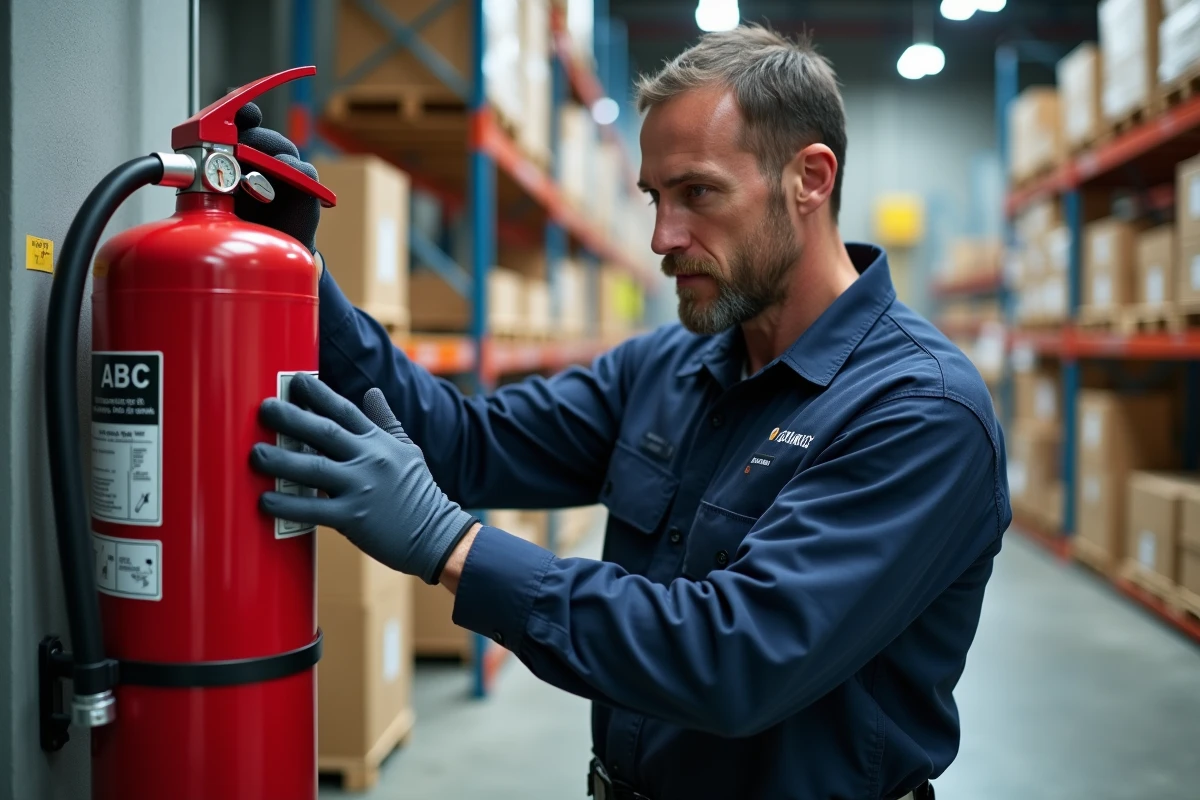
Fire classes refer to a standardized classification that groups fires according to the nature of the fuel involved. In France, the NF EN 2 standard distinguishes five main classes, identified by the letters A, B, C, D, and F. Each class requires a specific extinguishing agent, and a mismatch can worsen the incident instead of controlling it.
Lithium-ion batteries: the fuel that escapes traditional classes
The A-B-C-D-F classification was designed for well-identified fuels (solids, liquids, gases, metals, fats). Lithium-ion batteries pose a different problem: their thermal runaway combines a self-sustaining internal chemical reaction, the release of flammable gases, and very high temperatures.
The CNPP, in a technical file published in 2023-2024, emphasizes that lithium-ion battery fires do not clearly fall under classes A, B, or C. Internal guides recommend specific agents such as encapsulating aerosols or high-performance water mist, and especially prolonged cooling rather than instant extinguishing.
In practice, an ABC powder extinguisher can interrupt the visible flames of a burning battery, but it does not stop the internal thermal runaway. The battery can reignite several hours after the intervention. For everything you need to know about fire classes and extinguishers, this particularity of lithium batteries deserves special attention as their presence increases in professional and domestic settings (scooters, bikes, laptops).
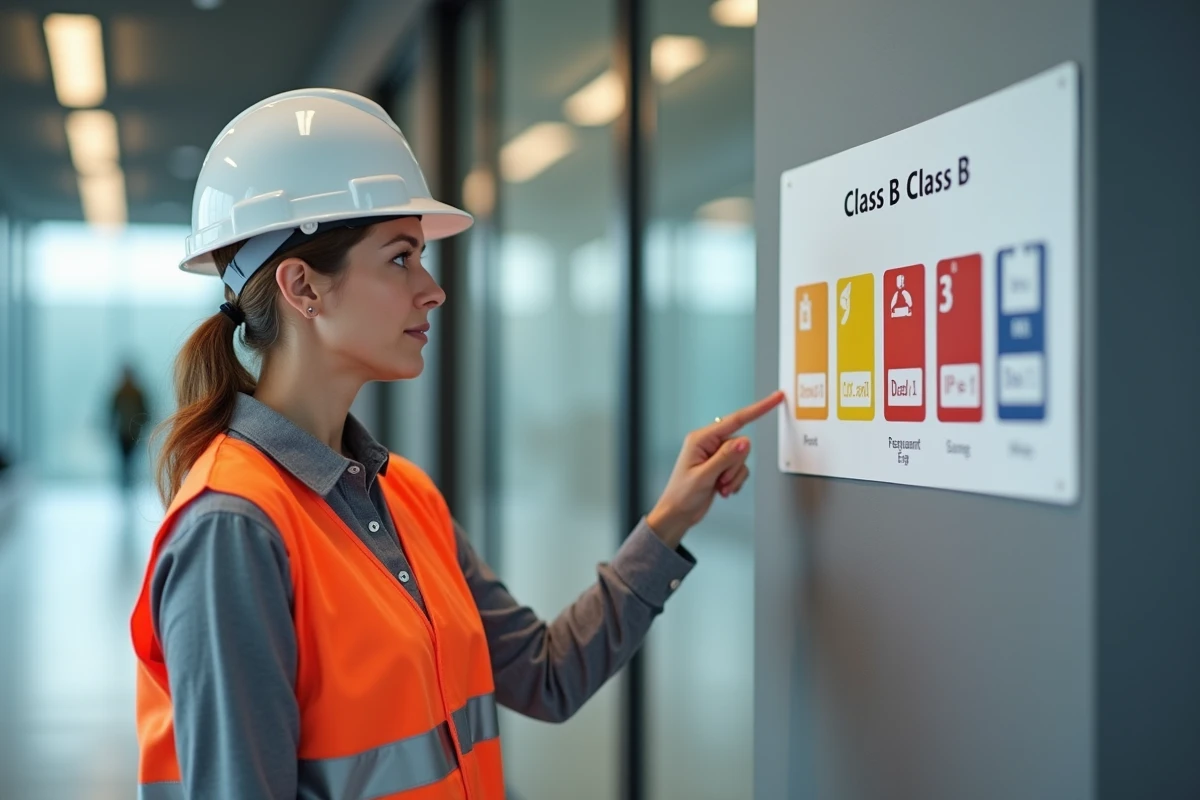
Fire classes A to F: what each category burns
The A class covers fires involving solid materials that form embers: wood, paper, cardboard, fabric, certain plastics. These are the most common fires. The preferred agent is water, sprayed or with additives, because it cools the material below its auto-ignition temperature.
The B class groups fires of liquids or liquefiable solids: gasoline, solvents, mineral oils, paints, alcohols. Water projected in a full jet on a class B fire can cause flaming liquid to splash. Foam or BC/ABC powder are suitable as they smother the fire by isolating the fuel from oxygen.
The C class concerns gas fires: propane, butane, methane, acetylene. The first reflex before any extinguishing is to cut off the gas supply. Extinguishing the flame without stopping the leak creates an explosion risk due to the accumulation of unburned gas in the area.
Metals and fats: classes D and F
Class D targets fires involving combustible metals (magnesium, powdered aluminum, sodium, titanium). These fires reach extreme temperatures. Water is strictly prohibited as it causes a violent reaction with certain metals. Only special extinguishing agents based on specific dry powder (graphite, sodium chloride) are suitable.
Class F refers to fires involving cooking oils and fats. Their auto-ignition temperature is high, and water causes a boil-over (explosive splashing of burning fat). The suitable extinguisher contains a wet chemical agent that forms a saponification layer on the surface of the fat bath.
Water, powder, CO2, or foam extinguishers: concrete selection criteria
The choice of an extinguisher is not limited to the fire class. Three additional parameters determine the device suitable for a given area.
- The collateral damage of the extinguishing agent is as important as its effectiveness. ABC powder effectively extinguishes classes A, B, and C, but it disperses throughout the area, corrodes electronic components, and makes cleaning very costly. The German Firefighters’ Federation has recommended since 2024 to avoid powder in public buildings for this reason.
- CO2 (carbon dioxide) leaves no residue and is suitable for computer rooms or live electrical equipment. Its range is short and it dissipates quickly, making it less effective on class A fires with deep embers.
- AFFF foam offers a good compromise for mixed environments (offices with furniture and small stocks of liquids) as it covers classes A and B without the disadvantages of powder. Its compatibility with live electrical equipment remains limited.
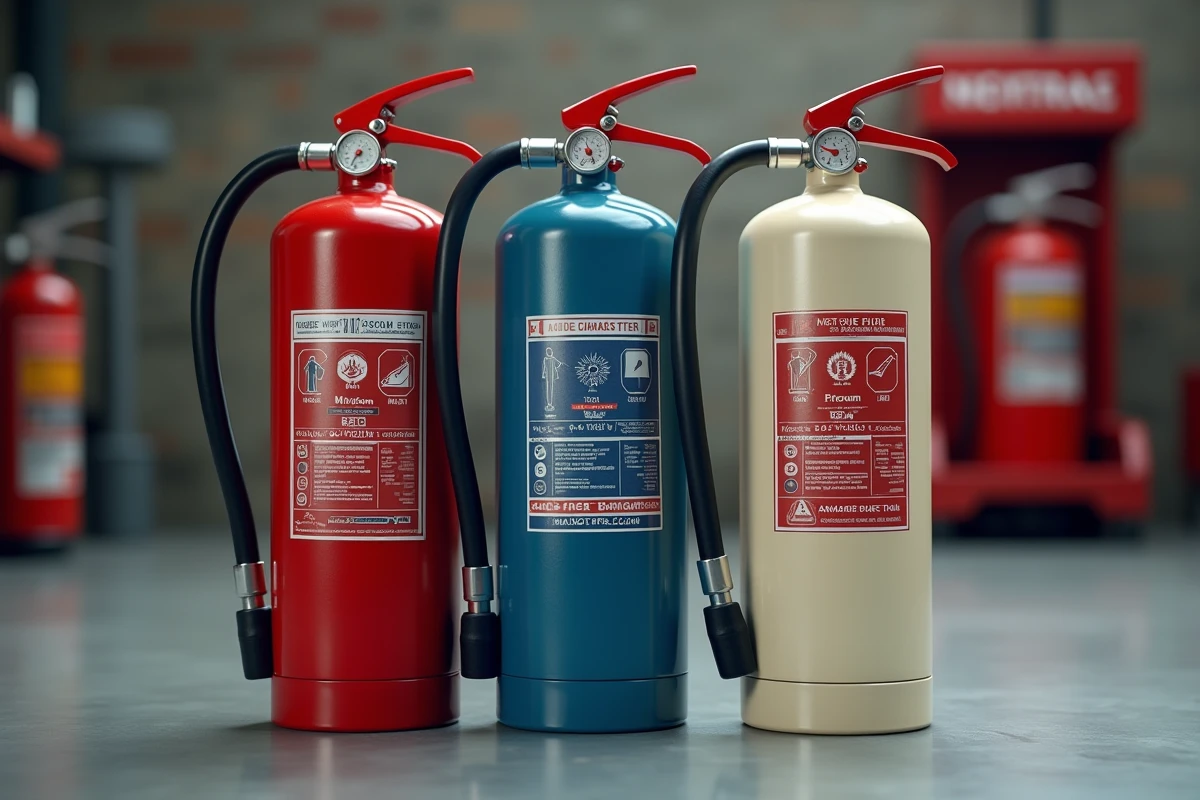
Professional kitchens and class F: insurers’ requirements
A class F extinguisher on the wall of a professional kitchen is no longer sufficient to meet the coverage conditions of several European insurers. FM Global, in the 2024 revision of its technical sheet on commercial cooking operations, requires the presence of fixed automatic extinguishing systems under hoods for damages related to fryer fires to be fully covered.
This requirement goes beyond the simple NF EN 2 classification. A restaurant operator who only equips themselves with a portable class F extinguisher complies with the basic regulations on first intervention means but risks a refusal of coverage by their insurance in the event of an incident at a cooking station.
Inspection and maintenance of extinguishers
An uninspected extinguisher loses reliability. French regulations require an annual inspection by a competent technician and a complete revision (requalification) according to intervals defined by the type of device. The pressure gauge in the green zone does not guarantee proper functioning on its own: seals, hoses, compacted powder, or expired foam can render the device unusable on the day it is needed.
A poorly chosen or poorly maintained extinguisher increases the risk instead of reducing it. The emergence of new fuels such as lithium-ion batteries, combined with the increasing demands of insurers on professional kitchens, necessitates going beyond the simple reading of A-B-C pictograms on the label. The choice of an extinguisher is made locally, taking into account the nature of the fuels present, the cleaning constraints after use, and the insurance coverage conditions.