The advent of espresso machines allows everyone to make the highly sought-after beverage known as coffee at home. This is a definite advantage, as it is possible to enjoy various types of coffee. Once set up, you generally press a button and after a short moment, your cups are filled. But, do you actually know how the espresso machine works? Let’s discover it in the following lines!
How an espresso machine works
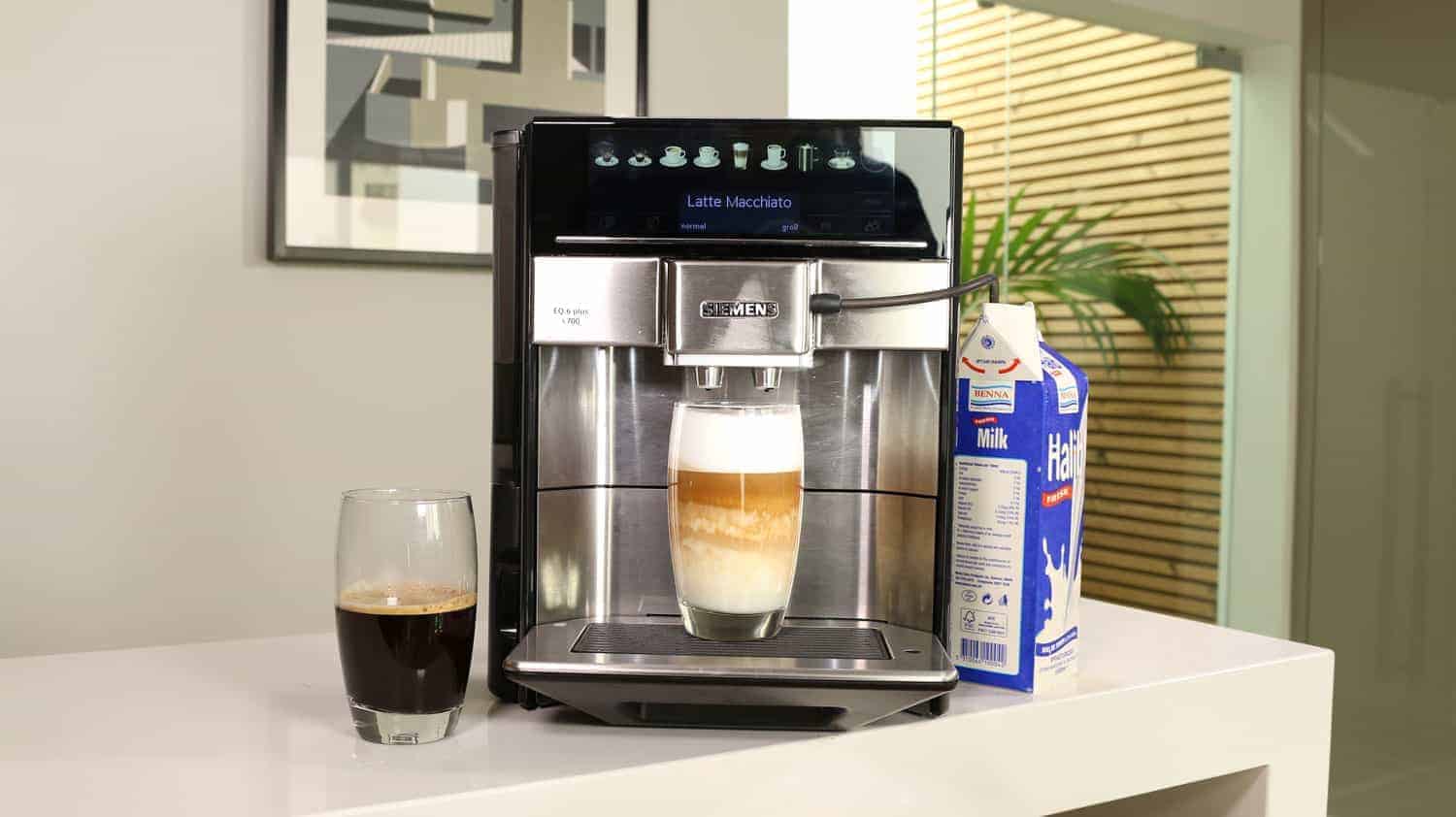
At the very beginning, before the espresso-making process starts, you need to supply the device available at www.machineaexpresso.fr with ground coffee and water. The bean-to-cup machine has, in addition to the water reservoir, a bean container to hold the coffee beans. The coffee beans will then undergo grinding to be transformed into ground coffee. It is this ground coffee and the water from the reservoir that will go through a process to produce espresso coffee. When these two elements are ready, you press a button to initiate the process. Before the espresso coffee lands in your cup, there are a series of complex steps that the ground coffee and water go through.
The proper water intake
First, pressing the button activates an electric board. The electric board then sends an electrical pulse to the water pump. It is the water pump that will draw the water previously placed in the reservoir and send it to a flow meter. As its name suggests, the flow meter is responsible for checking the volume of water that passes through the machine. This is done to ensure that the amount of water needed for the coffee dosage is accurate.
The brewing stage
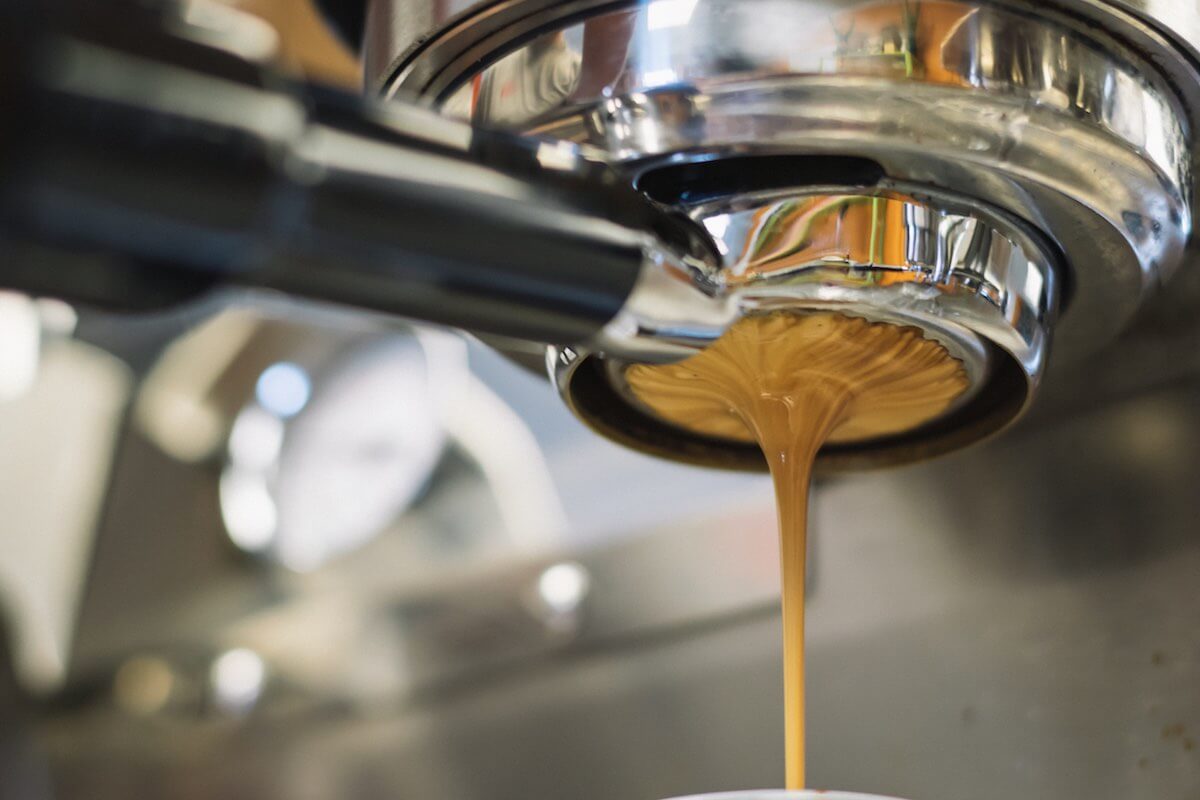
The water is now directed to a second pump, different from the first, which compresses the water. Once the compression is done, the new pump conveys the compressed water to the solenoid valve and then to the boiler. In the boiler, the water temperature is regulated by a sensor. This temperature is now within the range of 93 °C and 110 °C. Upon exiting the boiler, it enters the compression chamber. In this chamber, there will be pods if the machine is equipped to operate with pods or capsules.
Here, a minimum pressure infusion of 9 bars occurs. This is where the water absorbs the ground coffee, along with the flavors and aromas it contains. If the machine cannot accommodate capsules or pods, the process is slightly different. The hot water will pass through the ground coffee under the same pressure to produce coffee.
The coffee output
The coffee produced flows along a conduit until the flow meter informs the electric board that the cup is filling. At that point, the board stops the water flow. Your espresso coffee is now ready for consumption. When the coffee flows until it fills the cup or cups, the system stops instantly, except for the boiler. The boiler remains regulated until the espresso machine is used again.